

- Client
- WeApply
facebook.com/WeApplySA - Sector
- Financial services · home loan & bond origination
- Origin's role
- Brand identity, market research, requirements workshops, UX & UI design, design system, Angular build and bank integration
- Brand & visual identity
- Competitor & market research
- Stakeholder management
- Requirements workshops
- End-to-end journey mapping
- Wireframing & prototyping
- User experience design
- User interface design
- Design system
- Angular front-end build
- Third-party integration
The challenge
Buying a first home is one of the largest financial decisions most people will ever make, and in South Africa it had stayed a largely offline one: paper applications, an estate agent's recommendation, a broker or bond originator as the only channel to the banks, and a process that looked different depending on which agent, which originator and which bank a buyer happened to end up with. Property listings had already moved online, with buyers searching and shortlisting homes themselves. The bond application behind that search had not moved with them.
The client engaged Origin to define and build a digital home loan brand and platform from nothing. There was no existing product, no existing brand and no existing customer base, only a business case for bringing bond origination online and direct relationships with South Africa's major banks. The brief covered the full arc of that: define who the business was and what it looked like, understand the market it was entering, and then design and build a platform that could take someone from wanting to buy a home through to a registered bond, on their own, across single and joint applications.
Research & flow exploration
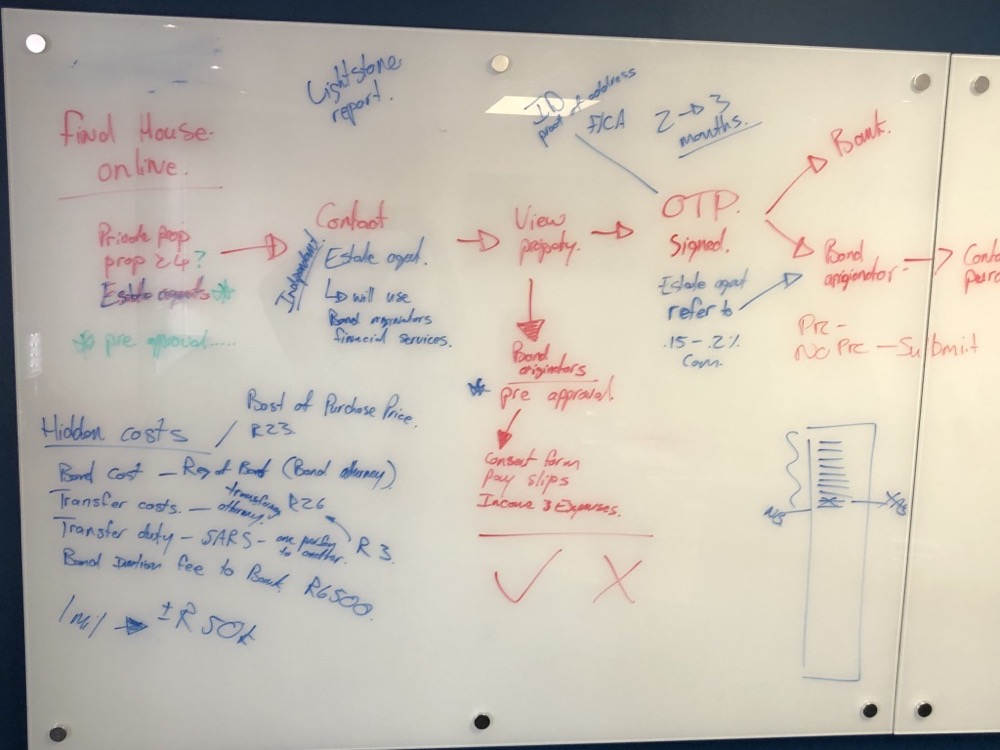
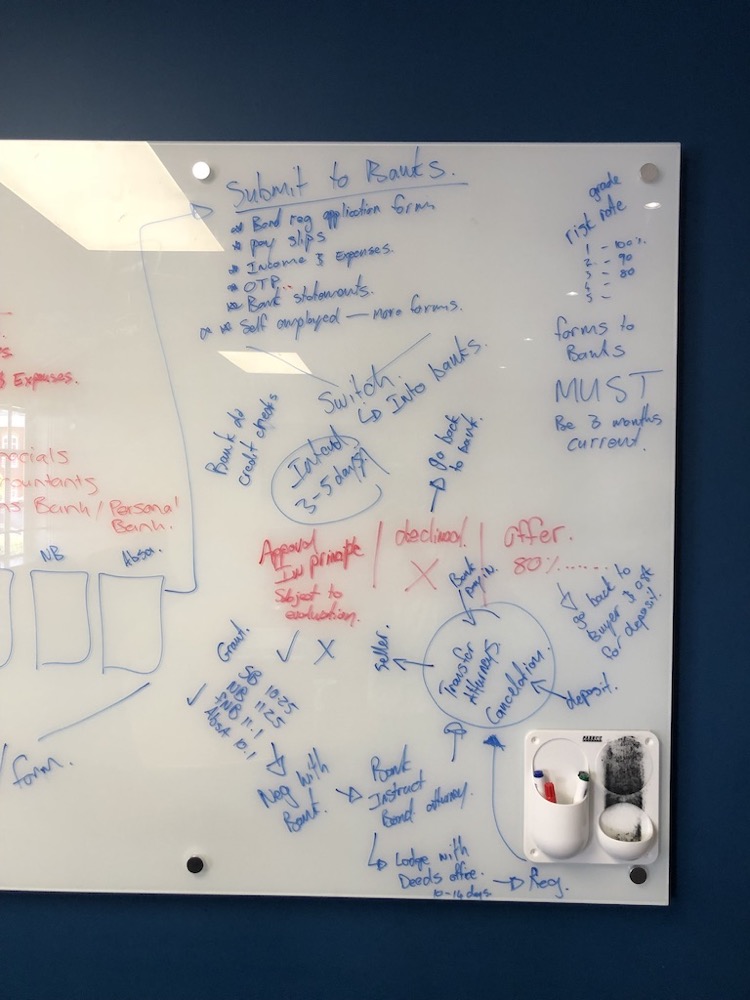
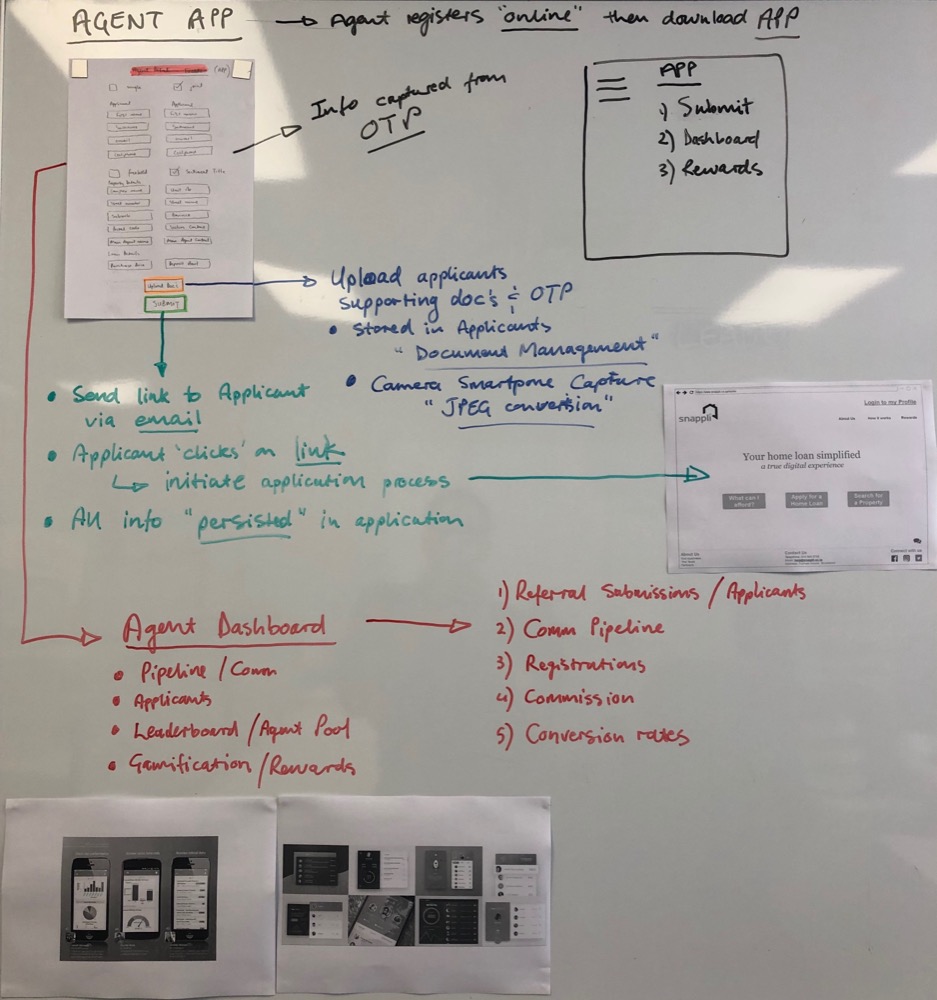
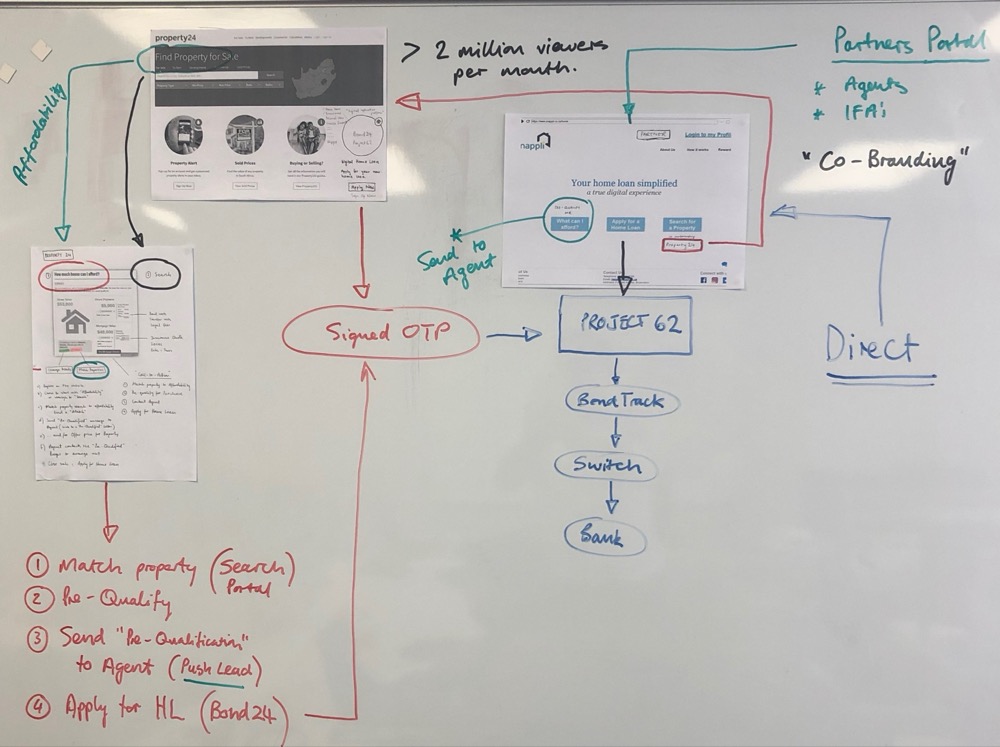
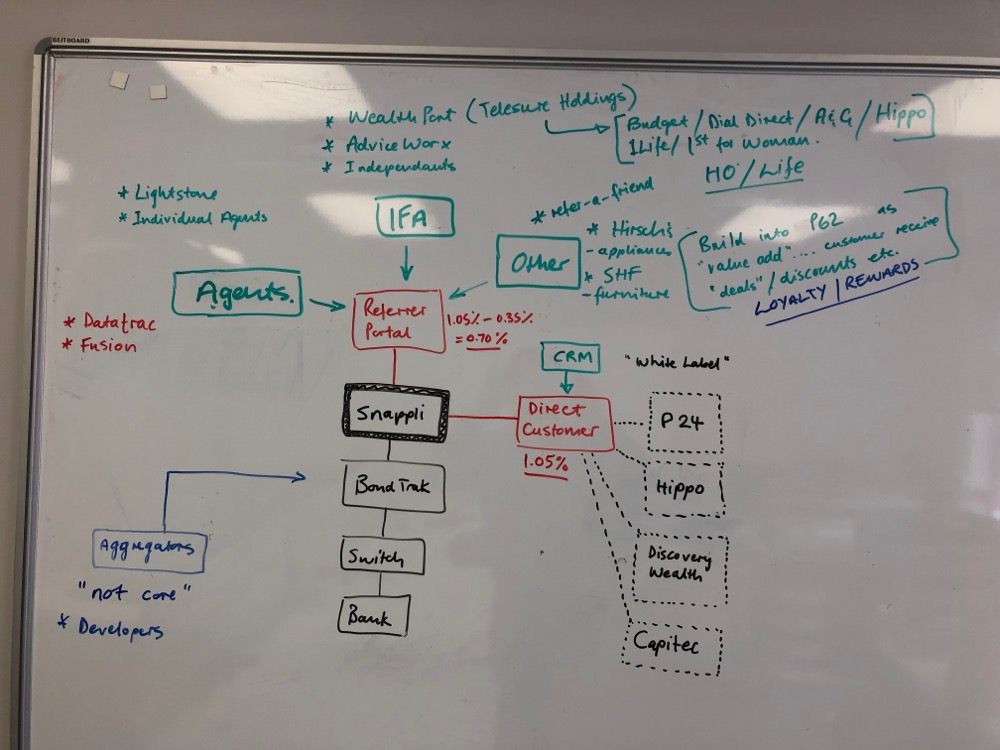
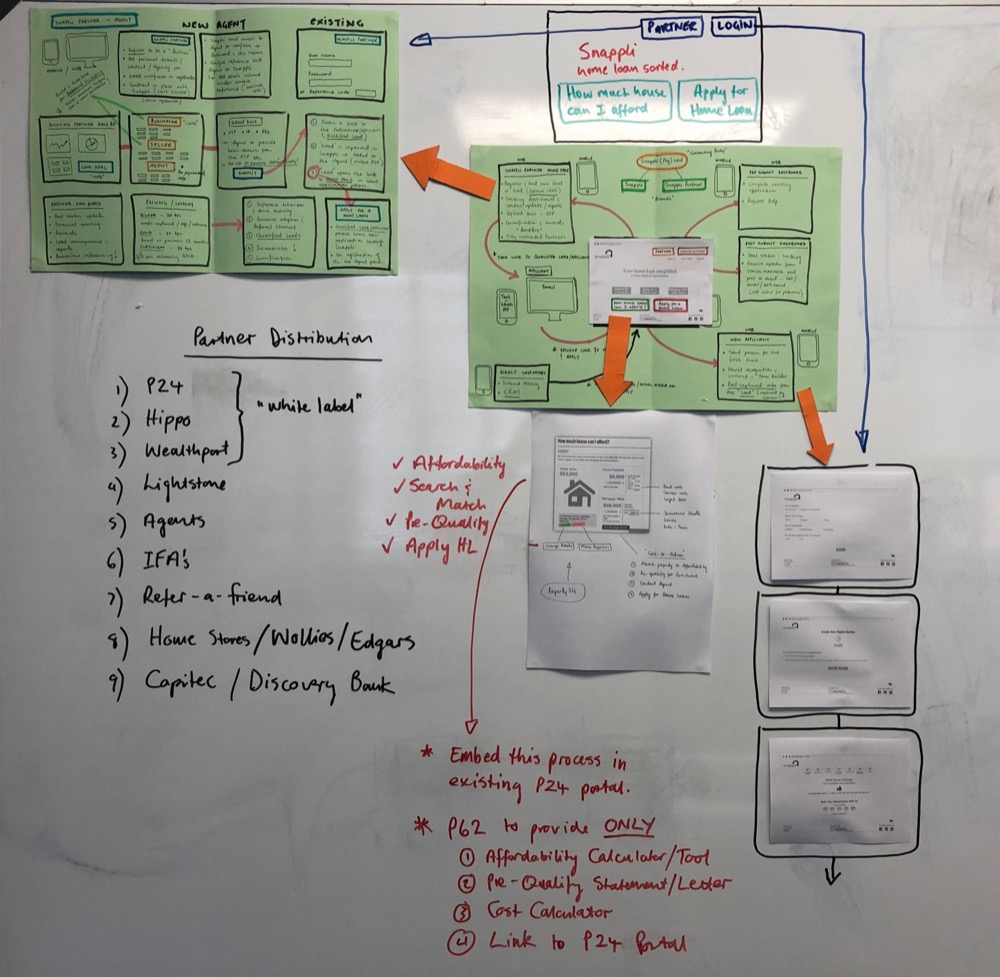
Before any screen was drawn, Origin mapped the bond origination process itself: how a buyer finds a property, makes an offer, gets pre-qualified and referred to a bond originator, and how that application then moves through the banks, the transfer attorneys and the deeds office to registration. The same exercise mapped the people around that process, estate agents, IFAs, aggregators and referral partners, and how a lead from a portal like Property24 or an agent's own network could reach WeApply without a gap. This was done for single applicants and for joint applications, husband and wife or business partners, since the process forks in different places for each.
Requirements gathering
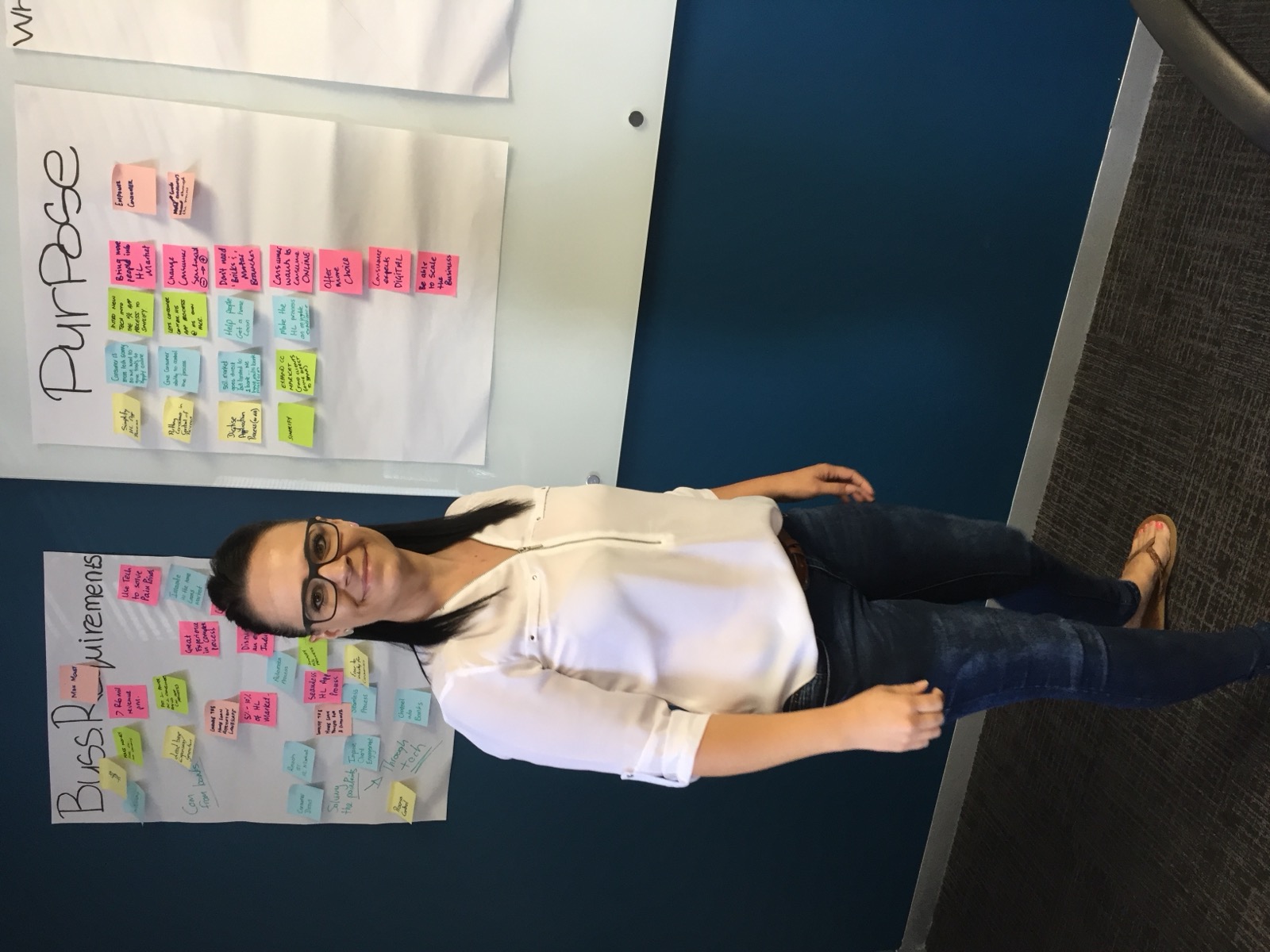
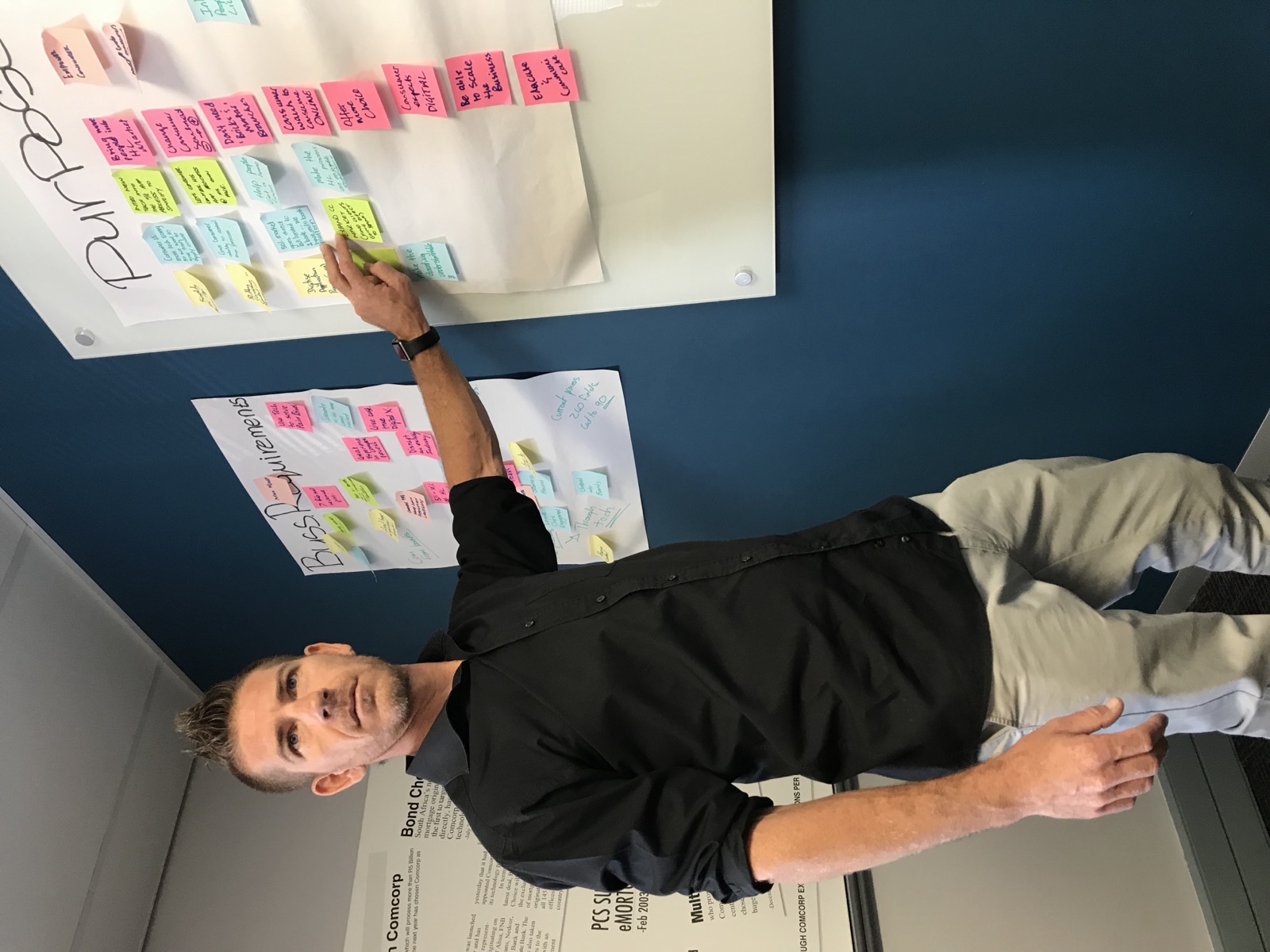
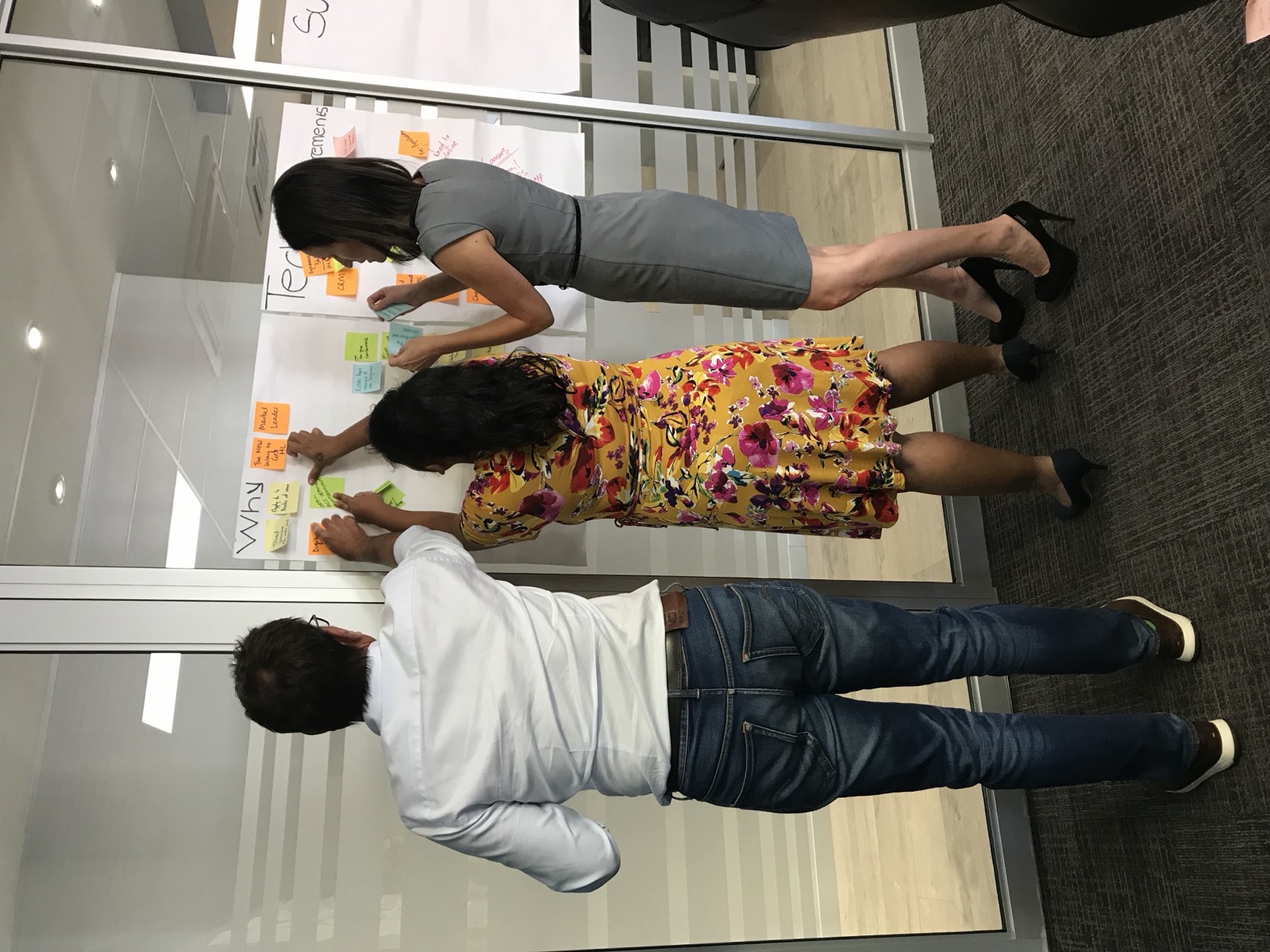
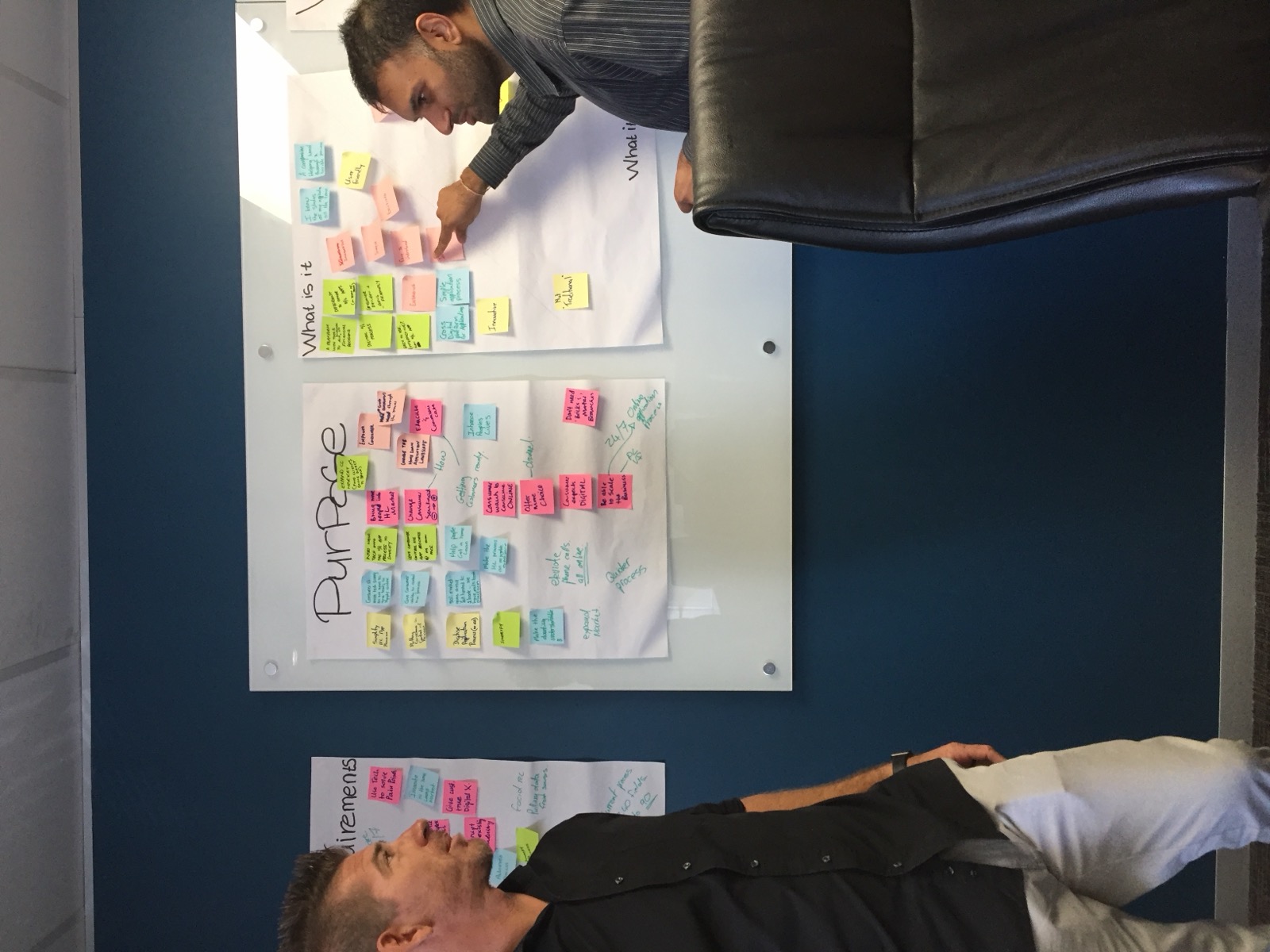
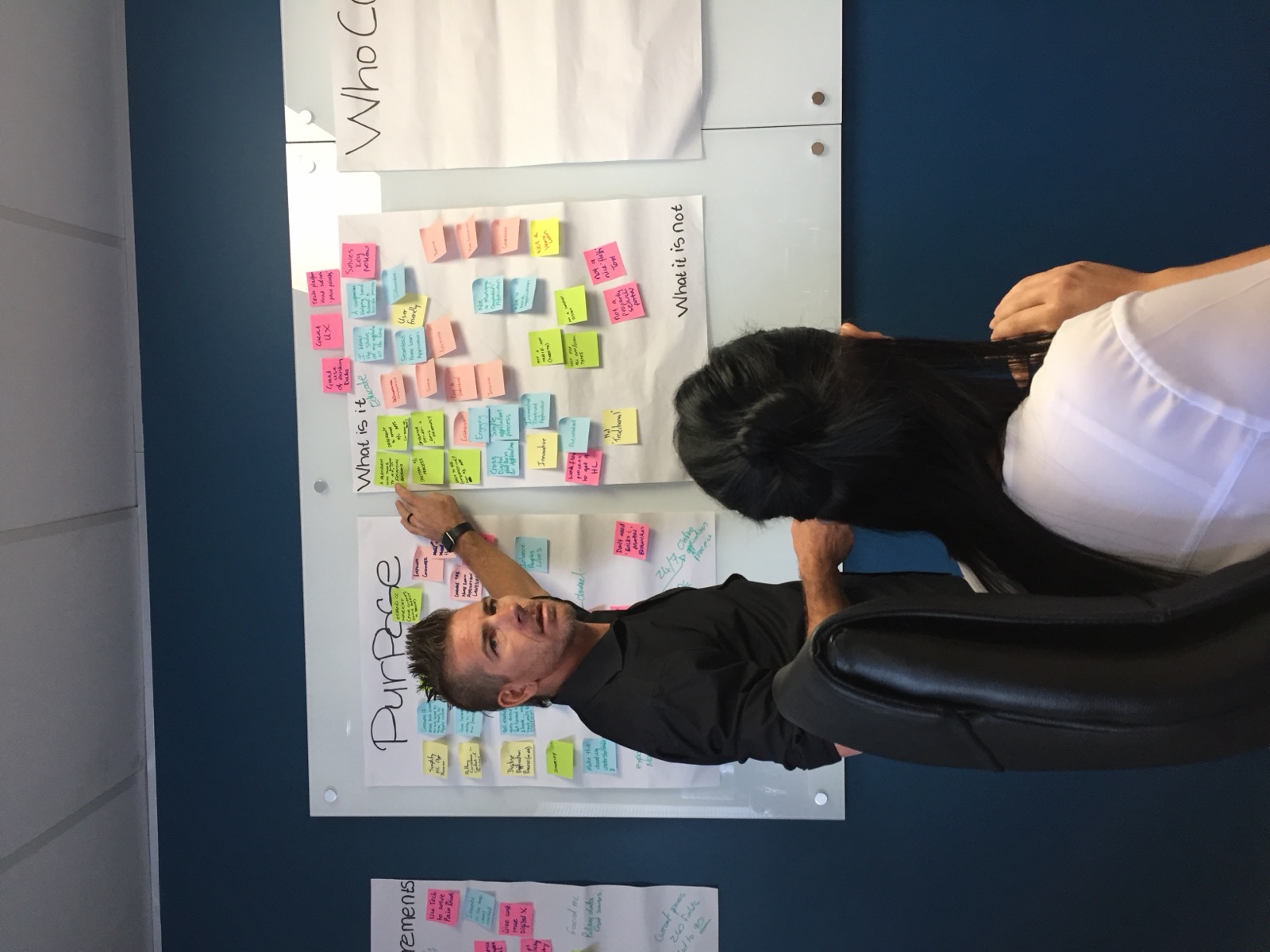
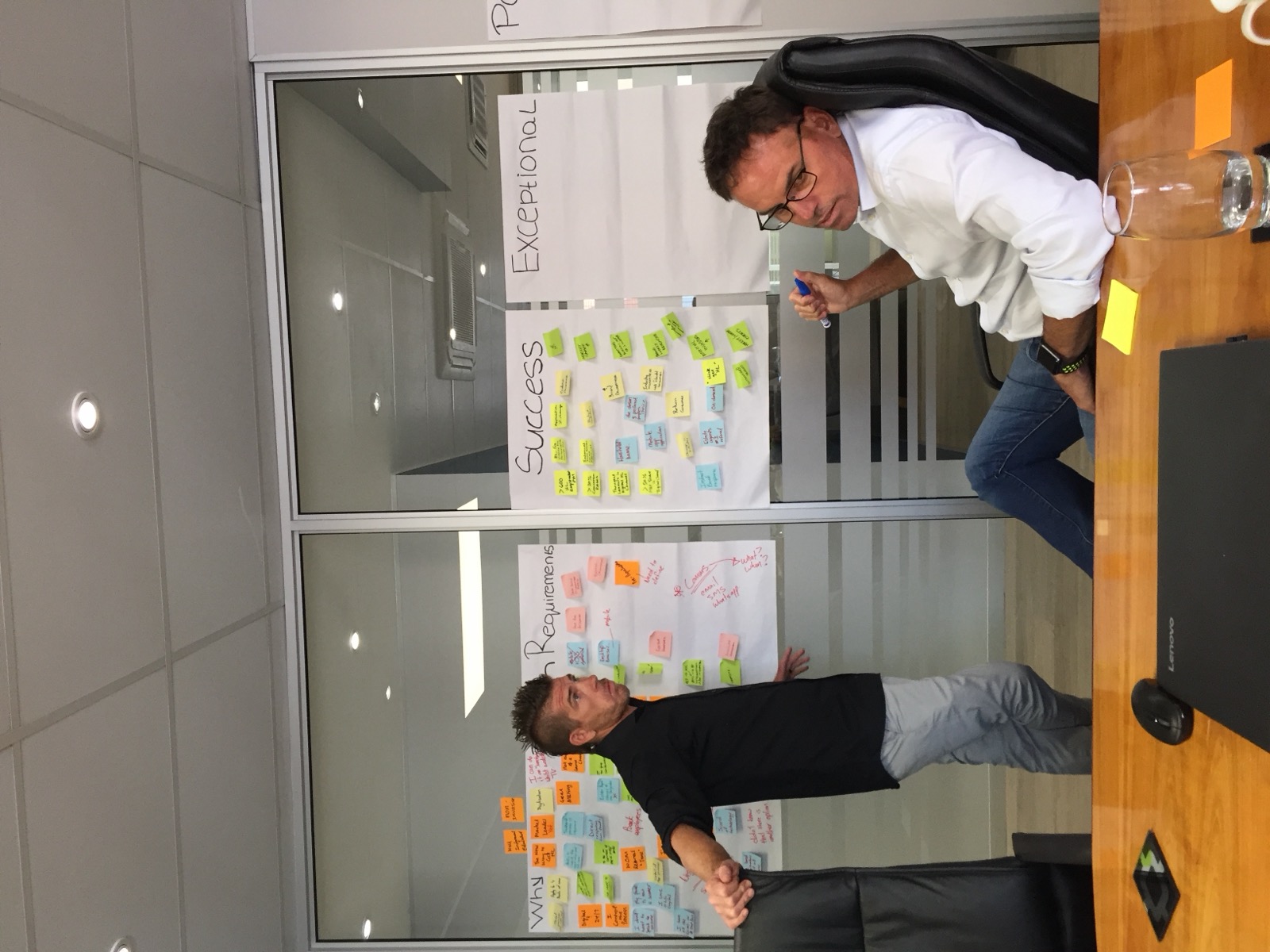
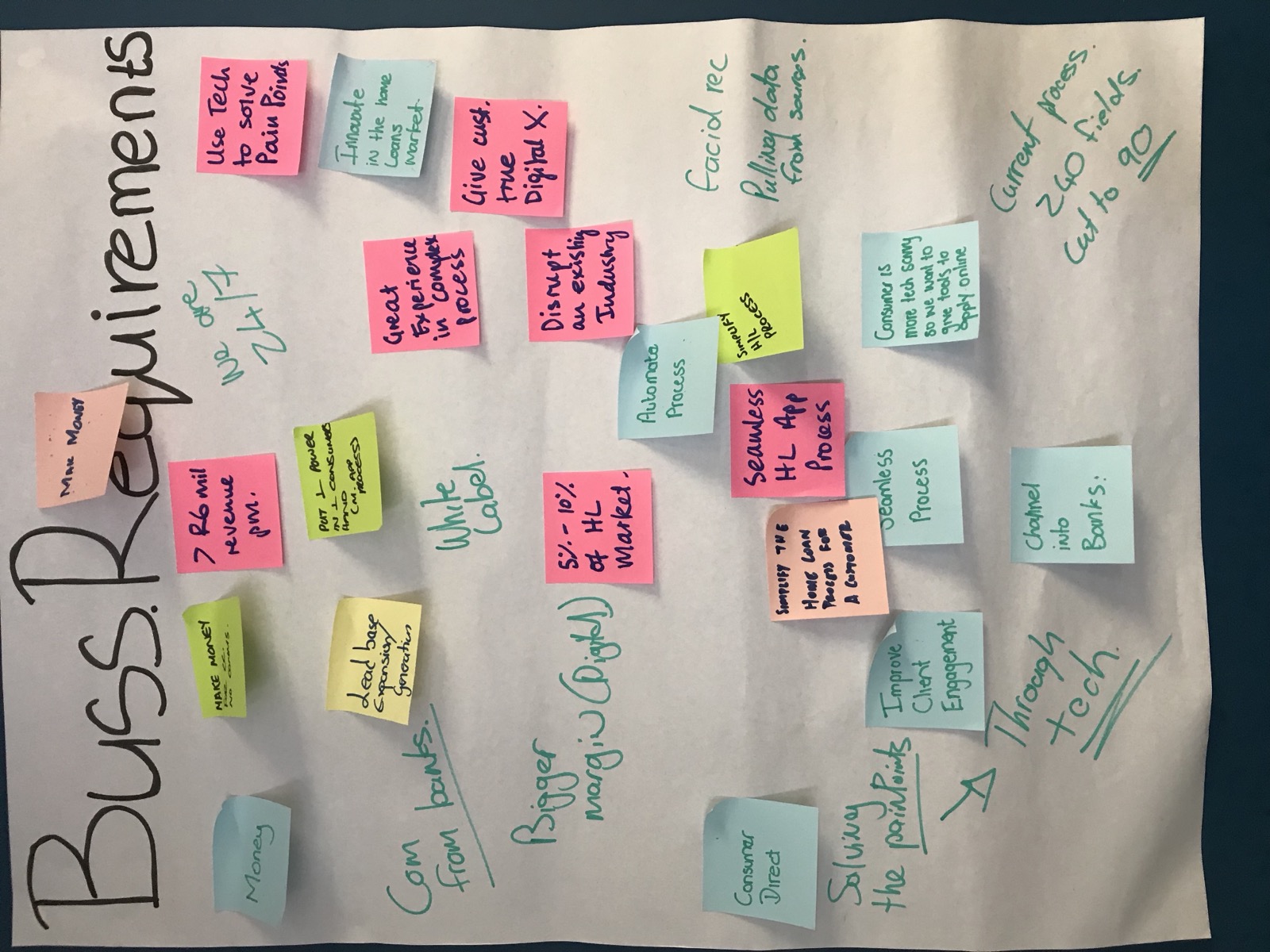
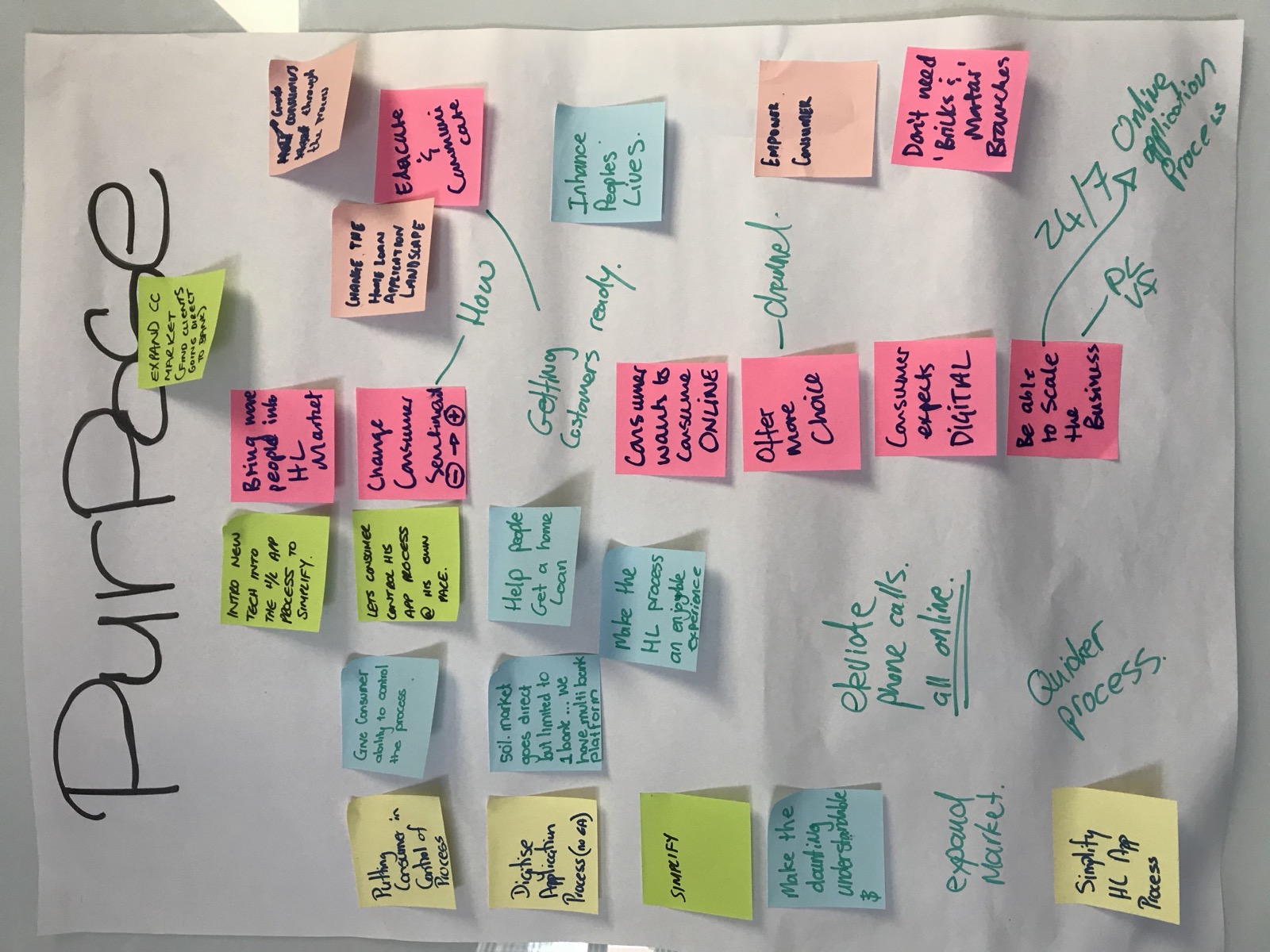
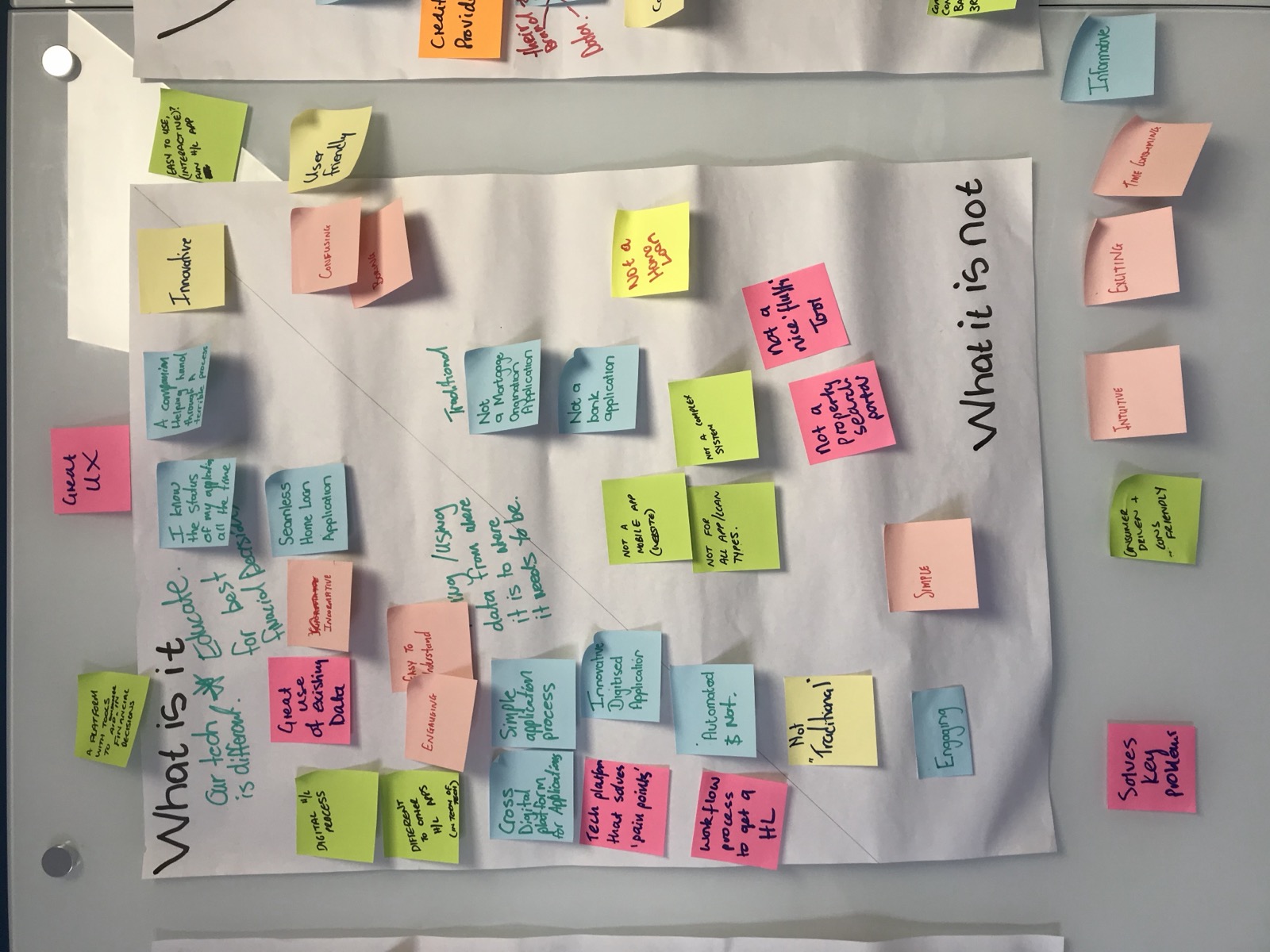
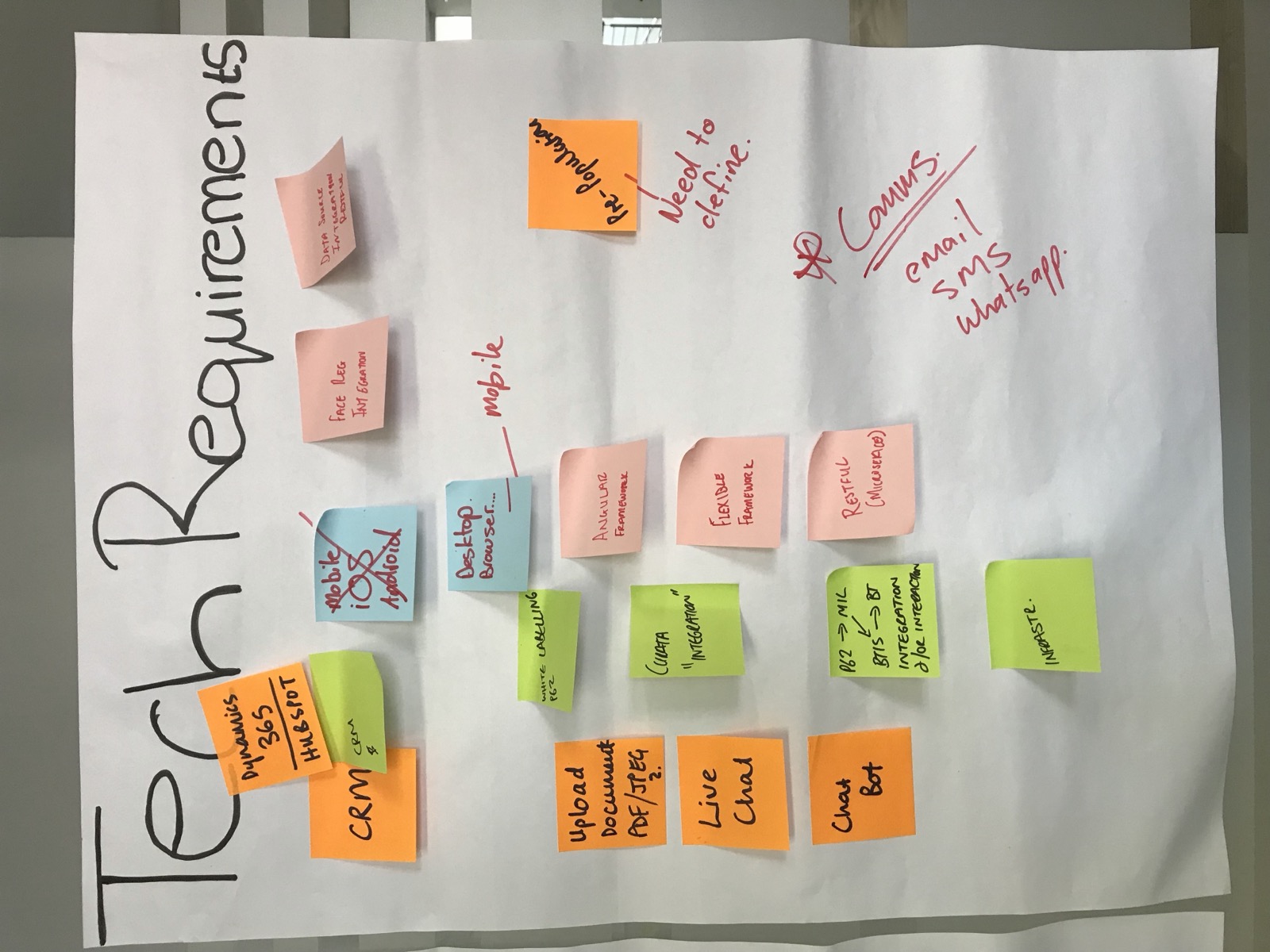
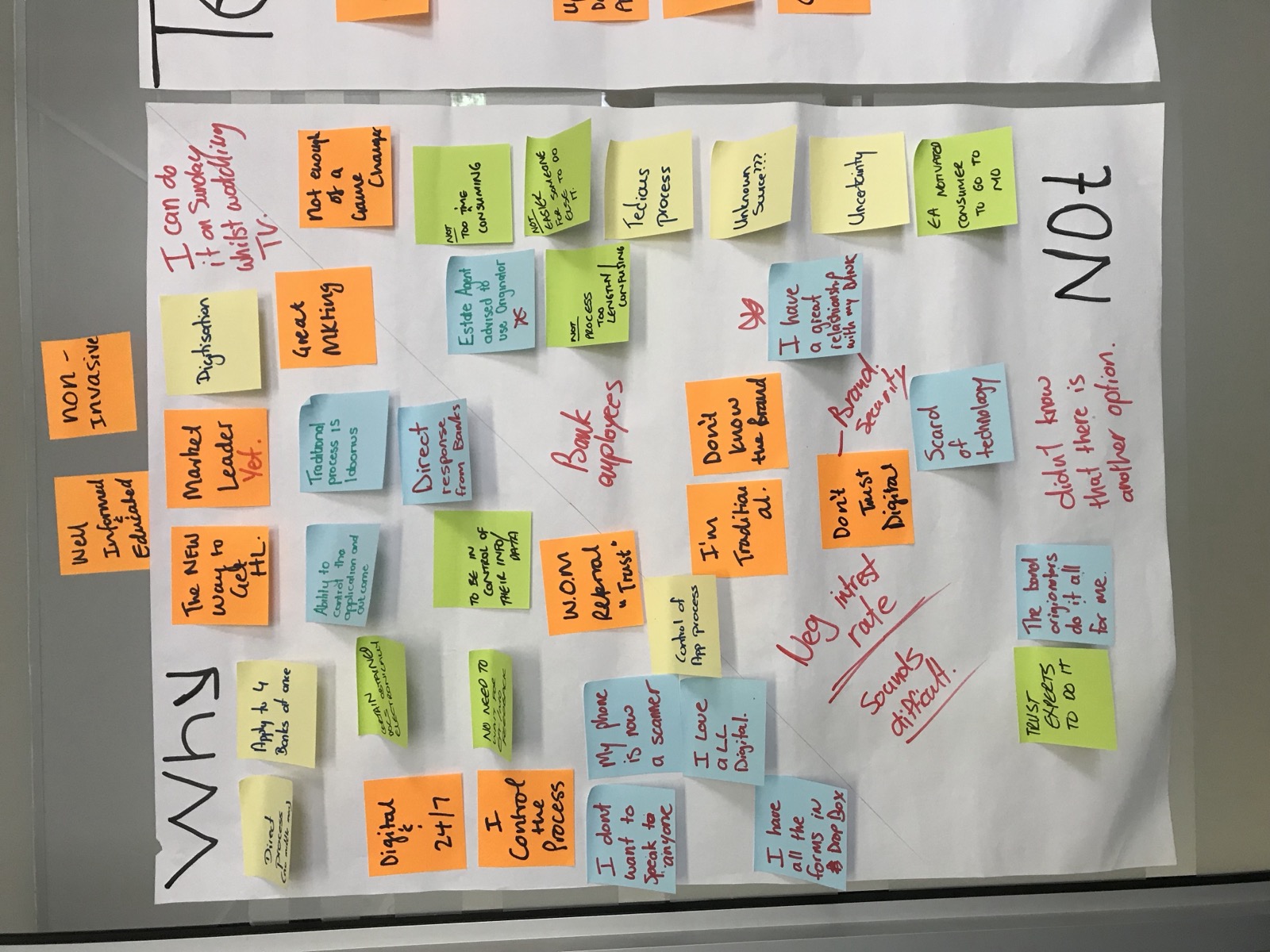
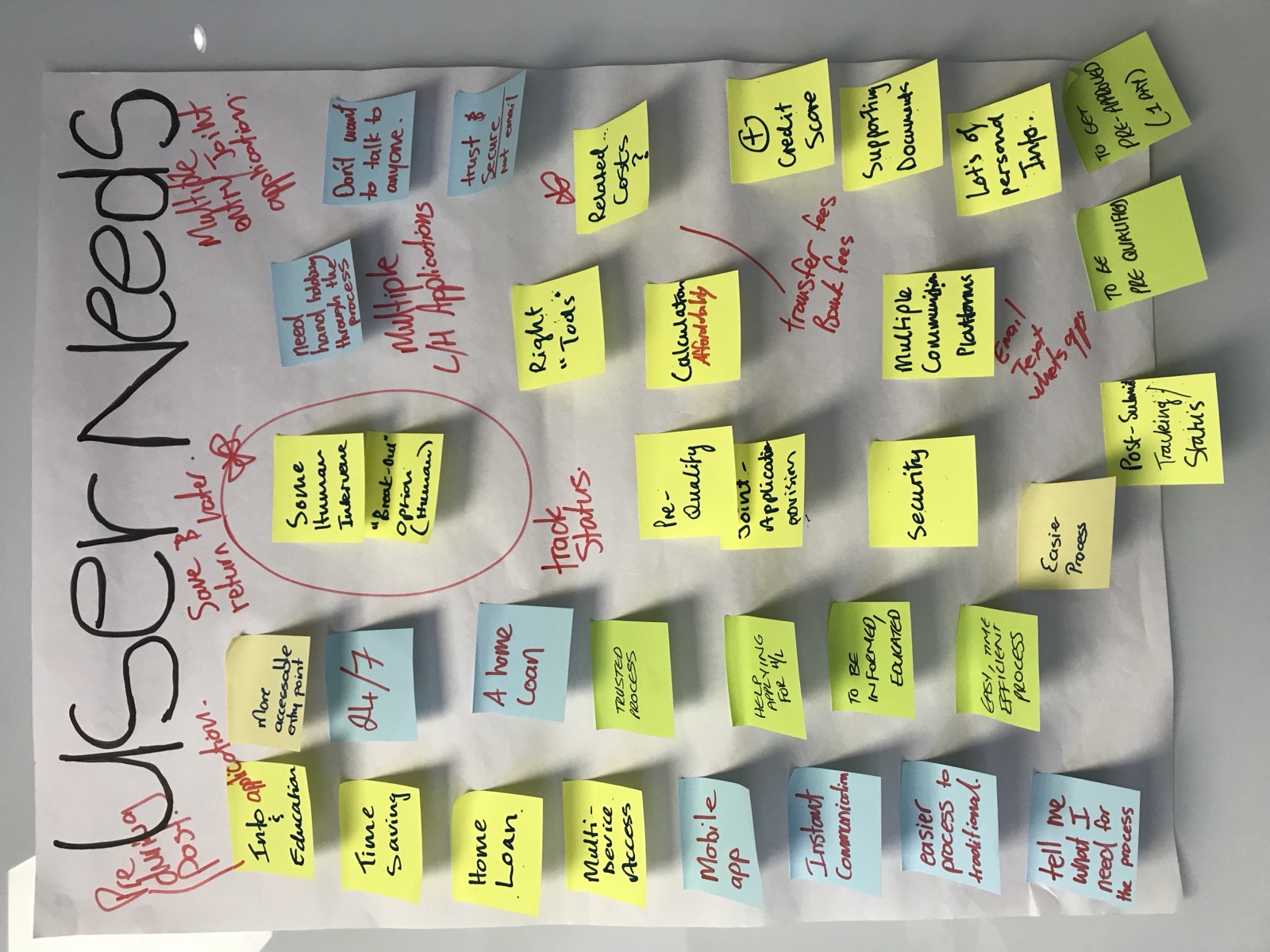
Origin ran requirements gathering workshops with the client's team before any design work started, working session by session through why the product should exist, what it was and, just as deliberately, what it was not. One board reduced the paper application from 260 fields to 90. Others defined the technical requirements, an Angular front end, RESTful integrations, facial recognition for identity, live chat and a chatbot, and mapped what buyers themselves would need: joint applications, save-and-return, status tracking, and a human "break-out" option for the moments a form alone couldn't help. The brief traced back to a clear ambition: to be the first fully digital, direct-to-bank mortgage originator in the market.
Logo & brand language
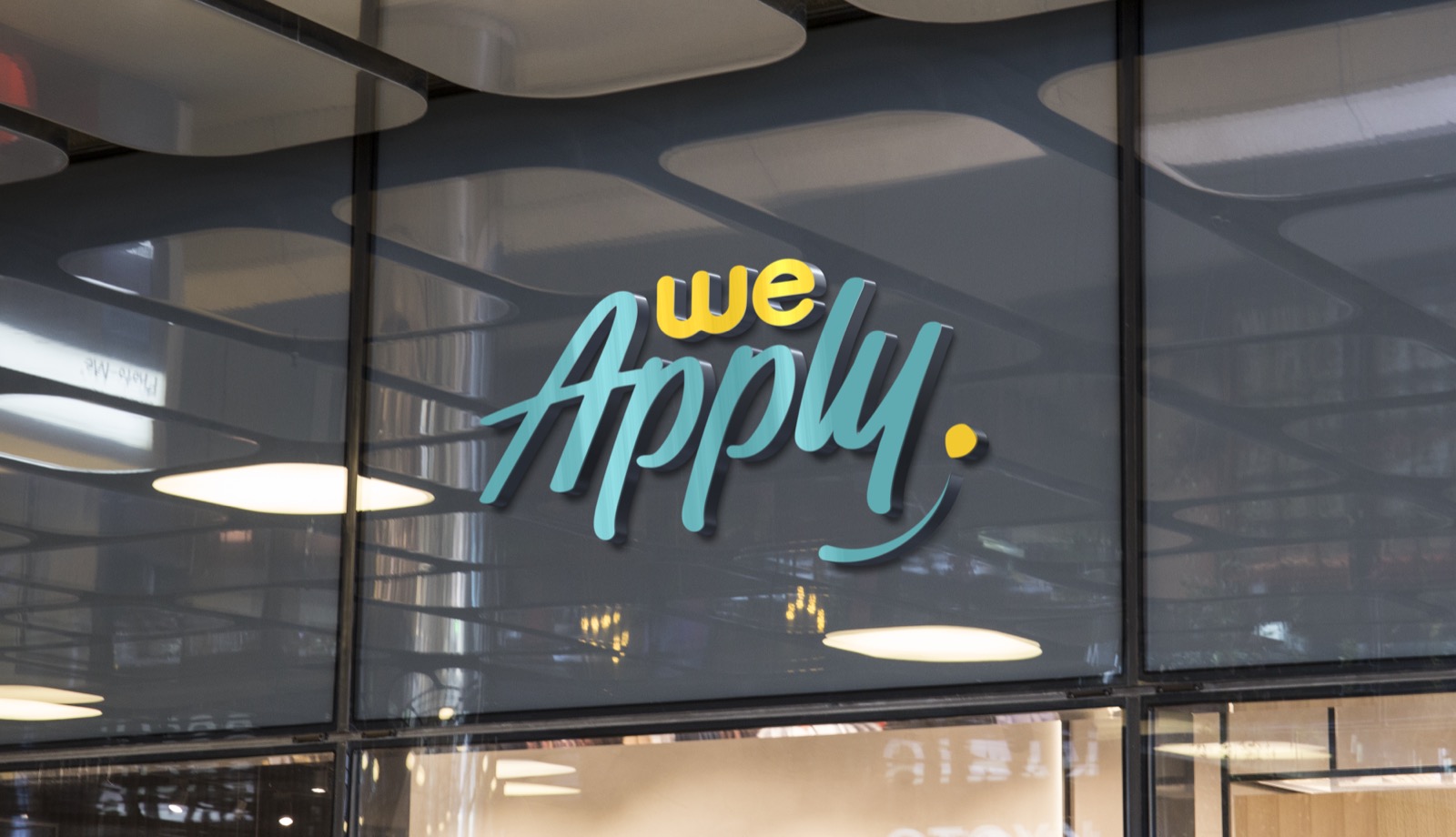
Origin defined WeApply's visual language from a blank page: a handwritten, confident wordmark with a built-in smile, paired with a warm teal and yellow palette chosen to feel human rather than corporate, a deliberate counterweight to a process that is naturally stressful. That language was designed to travel beyond the screen, applied consistently to signage, stationery and mobile splash screens, so the brand felt like a considered business rather than a product with a logo bolted on.
Wireframes & prototyping
Wireframes worked out the shape of the entire application, from a digital identity login through income, employment, banking and document management to a final summary, before any visual design started. Main applicant and co-applicant were built side by side from the first screen, so a joint application was never a variant bolted on afterwards. The flow was prototyped and tested in this form first, so the decisions that mattered, what to ask, in what order, and what could be pre-filled, were settled before a single pixel of the finished UI was drawn.
UI design & the experience
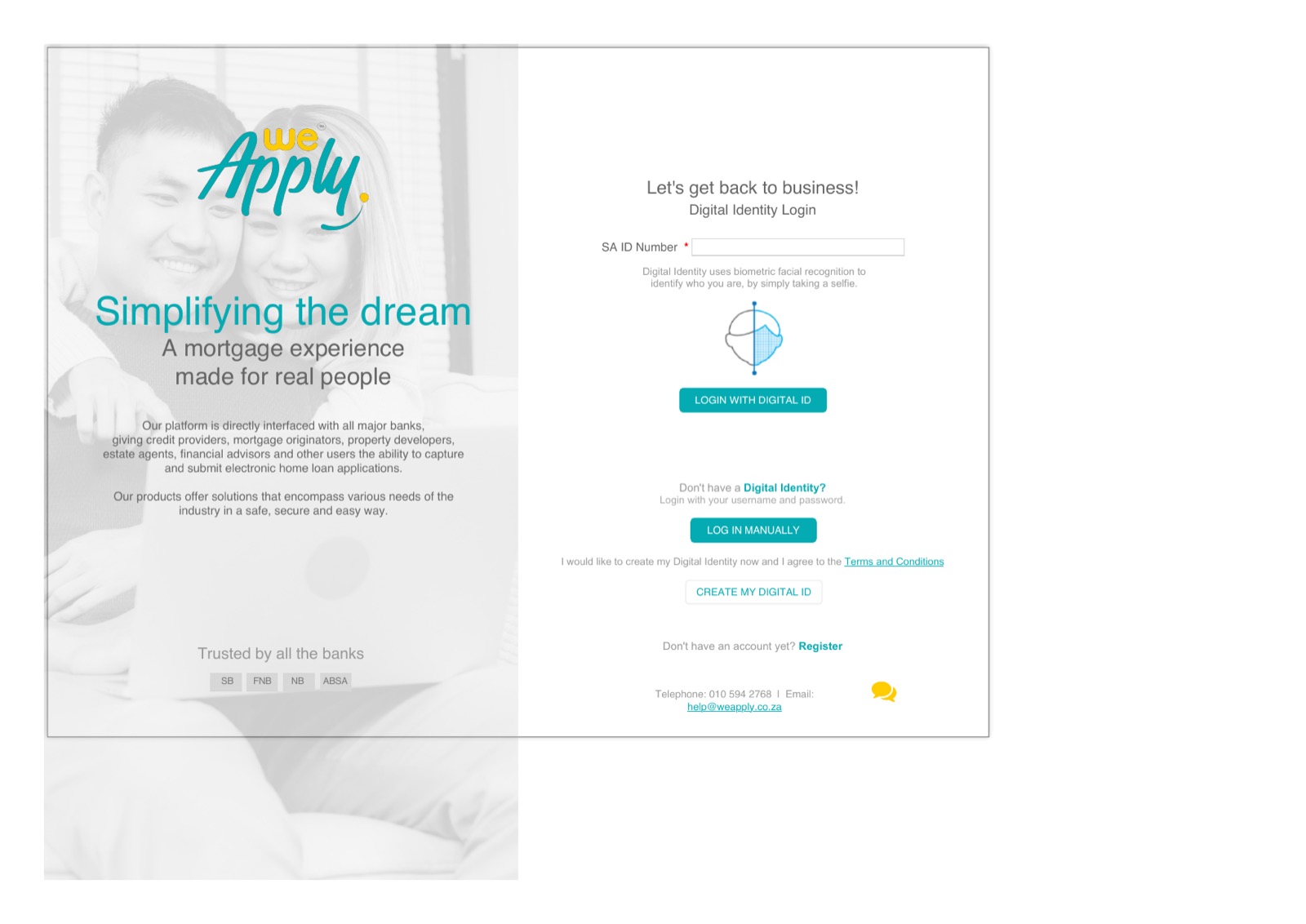
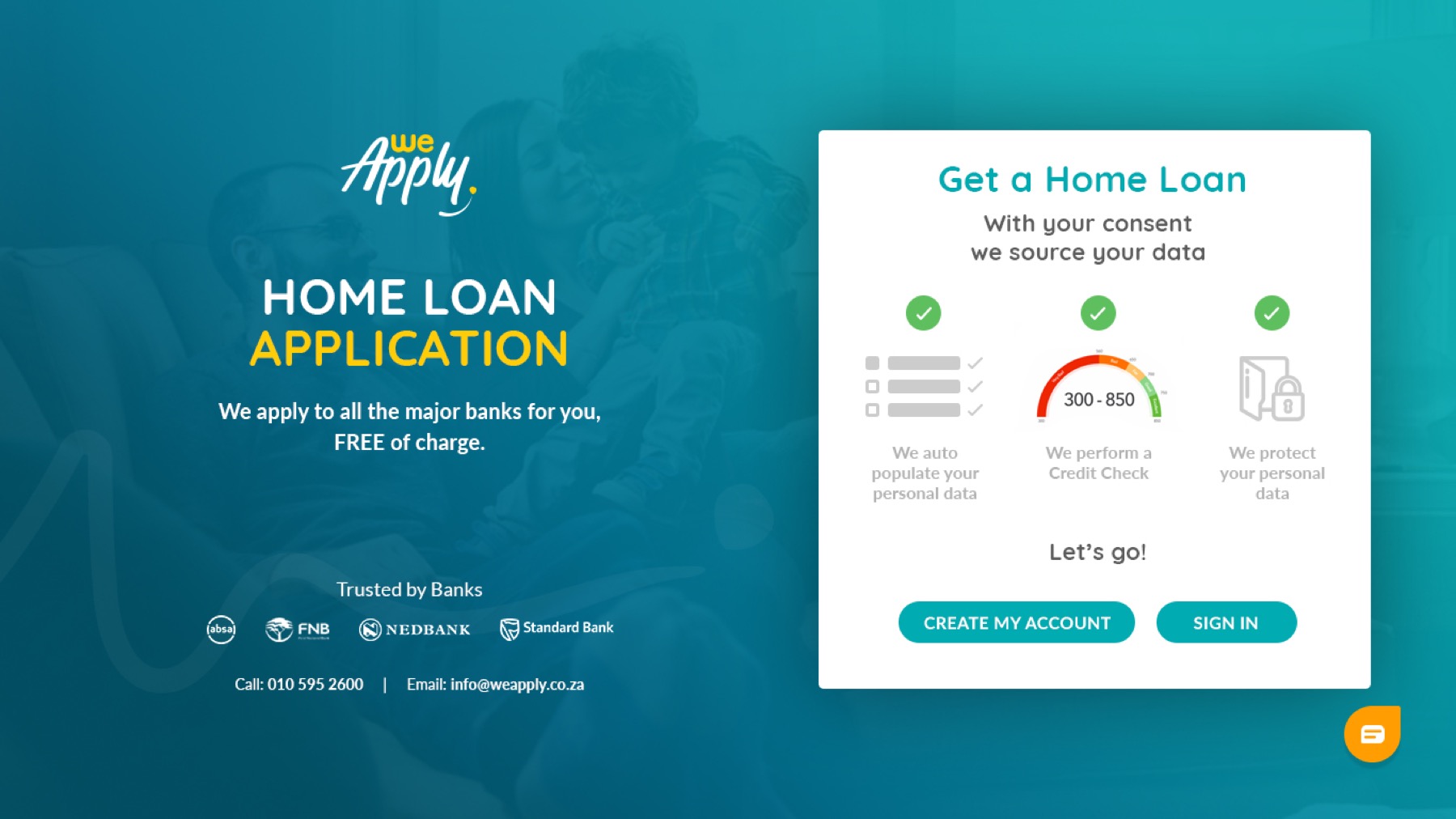
Buying a first home is stressful and unfamiliar territory for most people, and the UI was designed to carry that weight rather than add to it. Every field validated in place, a green outline confirming a correct answer immediately rather than a wall of errors after submission. Three calculators, affordability, repayment, and bond and transfer cost, turned abstract finance into concrete numbers a buyer could actually plan against, before they ever committed to an application. The same warm, approachable visual language defined in the brand work carried through into the product itself, so the interface never felt like a bank's form wearing a friendlier colour.
Biometric facial recognition, established in the brand and wireframe stages, shipped as a real part of registration, letting a first-time buyer verify their identity with a selfie instead of a branch visit. Once an application was under way, a bank-by-bank tracking view kept every offer visible individually, application through to registered, with a personalised offer a buyer could accept, decline or negotiate from the same screen, never a single combined status hiding what any one bank was actually doing.
Outcome & value
WeApply launched as a first-of-its-kind digital bond origination product in the South African market, built and integrated to submit live applications to the country's top five banks rather than a subset or a pilot group.
For first-time buyers, WeApply replaced a process run from other people's desks with one they could see and manage themselves: one application, sent to several banks, with one place to track what each of them still needed. For the business, having a direct digital channel into the major banks, rather than a paper trail through brokers and originators, meant applications could move as fast as the banks themselves could process them. Had WeApply shipped as a single digitised form behind one bank's own branding, buyers would still have been left comparing separate applications, separate document requests and separate timelines across the banks they wanted to approach, the exact fragmentation the paper process already put them through.
In summary

Next steps
Building something no one has built before?
Let's talk about it.
Tell us what you're working on, what you're trying to achieve, what isn't working, or where you think there's an opportunity.